Showing posts with label News. Show all posts

January 19, 2024

Epiphany in Ethiopia: A Vibrant Celebration of Faith and Tradition

Epiphany in Ethiopia

 
Epiphany, also known as Timket, is one of the most significant religious festivals in Ethiopia. This joyous celebration marks the baptism of Jesus Christ in the Jordan River and is observed with great enthusiasm and fervor by millions of Ethiopians. In this blog post, we will delve into the rich cultural heritage and unique customs associated with the Epiphany festival in Ethiopia.

Section 1: The Origins of Epiphany
Epiphany has its roots in the early Christian traditions of Ethiopia, dating back to the 4th century. It is believed to have been introduced by the Ethiopian Orthodox Church and has since become an integral part of the country's religious and cultural identity.
Section 2: Preparations and Anticipation
Months before the Epiphany festival, Ethiopians eagerly anticipate the grand celebration. Communities come together to prepare for the event, organizing processions, building special baptismal pools, and decorating the streets with vibrant colors and traditional ornaments.

Section 3: The Eve of Epiphany
On the eve of Epiphany, Ethiopians gather at their local churches, dressed in traditional white garments. The atmosphere is filled with anticipation and excitement as the priests lead prayers and hymns throughout the night.

Section 4: The Holy Procession
As dawn breaks on the day of Epiphany, a grand procession commences, led by the clergy and accompanied by the rhythmic beats of drums and the enchanting sound of traditional musical instruments. The procession makes its way towards the nearest body of water, symbolizing the Jordan River.
Section 5: The Blessing of the Waters
At the water's edge, the priests bless the water, invoking the Holy Spirit. This sacred act represents the baptism of Jesus and is believed to cleanse the sins of those who immerse themselves in the blessed water. Pilgrims eagerly await their turn to be baptized, immersing themselves three times in the water, in honor of the Holy Trinity.

Section 6: Joyous Celebrations and Cultural Traditions
Following the baptismal ceremony, the festivities continue with traditional dances, music, and feasting. Ethiopians indulge in delicious traditional dishes, such as injera (a sourdough flatbread) and doro wat (spicy chicken stew), while enjoying the vibrant cultural performances that showcase the country's diverse heritage.

Section 7: The Epiphany Spirit Across Ethiopia
Epiphany is celebrated throughout Ethiopia, but some cities are particularly renowned for their grand festivities. The ancient city of Lalibela, with its famous rock-hewn churches, attracts thousands of pilgrims who come to witness the unique Epiphany celebrations.
Section 8: Epiphany: A Time for Reflection and Renewal
Beyond the vibrant celebrations, Epiphany holds deep spiritual significance for Ethiopians. It is a time for introspection, repentance, and renewal of faith. Many devotees use this occasion to seek forgiveness, make resolutions, and strengthen their spiritual connection.

Section 9: Epiphany: A Cultural Treasure
Epiphany in Ethiopia is not only a religious festival but also a celebration of the country's rich cultural heritage. It brings communities together, fosters unity, and showcases the beauty of Ethiopian traditions to the world.

Conclusion:
Epiphany in Ethiopia is a captivating blend of faith, tradition, and cultural pride. The festival's vibrant processions, sacred rituals, and joyous celebrations make it a truly unique experience. As Ethiopians gather each year to commemorate the baptism of Jesus, they not only honor their religious beliefs but also celebrate their shared identity and the enduring spirit of their nation.


Discover the rich cultural heritage and unique customs of the Epiphany festival in Ethiopia, also known as Timket. Explore the origins, preparations, holy processions, and joyous celebrations that make this event a captivating blend of faith and tradition. Immerse yourself in the vibrant atmosphere and experience the spiritual significance of Epiphany in Ethiopia.

November 03, 2023

West Arsi Wheat Production: Cultivating Prosperity and Nourishing the World

West Arsi Wheat Production


Welcome to our blog post on West Arsi wheat production, where we delve into the thriving agricultural practices that have made this region a key player in the global wheat market. With its fertile soil, favorable climate, and dedicated farmers, West Arsi has become a hub for wheat cultivation, contributing significantly to food security and economic growth. In this article, we explore the remarkable journey of West Arsi wheat production, highlighting its impact on both local communities and the international market.

Section 1: The Rich Soil of West Arsi

West Arsi's agricultural success can be attributed to its nutrient-rich soil, which provides an ideal foundation for wheat cultivation. The region's volcanic soil, combined with adequate rainfall and proper irrigation techniques, creates optimal conditions for wheat growth. Farmers in West Arsi have harnessed this natural advantage, resulting in high-quality wheat crops that meet international standards.

Section 2: The Dedication of West Arsi Farmers

The backbone of West Arsi's wheat production lies in the unwavering dedication of its farmers. These hardworking individuals have honed their skills over generations, employing traditional and modern farming techniques to maximize yields. Their commitment to sustainable practices, such as crop rotation and soil conservation, ensures the long-term viability of wheat production in the region. Through their tireless efforts, West Arsi farmers have transformed their communities and contributed to the overall prosperity of the region.

Section 3: West Arsi's Contribution to Food Security

With an annual production of over 18.5 million sacks of wheat, West Arsi plays a crucial role in ensuring food security, both locally and globally. The surplus production not only caters to the domestic demand but also allows for export to countries facing food shortages. By actively participating in the global wheat market, West Arsi helps alleviate hunger and supports sustainable development worldwide.

Section 4: The Flourishing Wheat Market

The high-quality wheat produced in West Arsi has gained recognition in the international market. Its superior nutritional content, excellent milling properties, and consistent quality have made it a preferred choice for many buyers. The region's wheat exports contribute significantly to the national economy, generating revenue and fostering economic growth. West Arsi's success in the wheat market has opened doors for further investment and collaboration, creating opportunities for farmers and boosting the overall prosperity of the region.

Section 5: Innovations in West Arsi Wheat Production

To stay ahead in the competitive global market, West Arsi farmers have embraced innovative techniques and technologies. From precision agriculture to advanced irrigation systems, these advancements have enhanced productivity and efficiency. By adopting modern farming practices, West Arsi farmers have not only increased their yields but also reduced resource consumption, minimizing their environmental impact.

Section 6: Empowering Local Communities

The success of West Arsi's wheat production has had a profound impact on local communities. The increased income generated from wheat farming has improved the standard of living, providing better access to education, healthcare, and other essential services. Additionally, the growth of agribusinesses and supporting industries has created employment opportunities, reducing rural-urban migration and fostering sustainable development within the region.

Section 7: Sustainability and Environmental Stewardship

West Arsi farmers understand the importance of preserving the environment for future generations. Through sustainable farming practices, such as organic fertilization and integrated pest management, they minimize the use of harmful chemicals and promote biodiversity. By prioritizing environmental stewardship, West Arsi's wheat production not only ensures long-term sustainability but also contributes to global efforts in combating climate change.

Section 8: West Arsi Wheat: A Symbol of Quality and Reliability

The West Arsi region has gained a reputation for producing wheat of exceptional quality. Its commitment to strict quality control measures, including rigorous testing and adherence to international standards, has earned the trust of buyers worldwide. West Arsi wheat is known for its consistent quality, nutritional value, and excellent baking properties, making it a preferred choice for various food industries.

Section 9: The Future of West Arsi Wheat Production

As West Arsi continues to thrive in wheat production, the future looks promising. With ongoing investments in research and development, the region aims to further enhance productivity, sustainability, and market competitiveness. By embracing technological advancements and fostering knowledge exchange, West Arsi is poised to remain a key player in the global wheat market, contributing to food security and economic growth.

Discover the remarkable journey of West Arsi wheat production, where fertile soil, dedicated farmers, and sustainable practices have propelled this region to become a major player in the global wheat market. With an annual production of over 18.5 million sacks, West Arsi contributes significantly to food security and economic growth. Explore the impact of West Arsi's high-quality wheat exports, its commitment to sustainability, and the empowerment of local communities. Join us as we delve into the thriving world of West Arsi wheat production, cultivating prosperity and nourishing the world.

October 13, 2023

Kenya- President William Ruto's first year Celebration

President William Ruto 


Kenyan President William Ruto, who has been in power for a year, has said goodbye to opposition politicians who started expressing their anger over the increase in food prices and tax payments in Kenya. Scholars are expressing their grievances saying that President William does not have ears to listen to the people who voted for him to come to power.

President William Ruto Great Jobs 

Kenyan President William Ruto, who has been in power for a year, has said goodbye to opposition politicians who started expressing their anger over the increase in food prices and tax payments in Kenya. Scholars are expressing their grievances saying that President William does not have ears to listen to the people who voted for him to come to power.

Many Kenyans have called President William Ruto a Zacchaeus, as his name is mentioned in the Bible, as he collects the last penny from the citizens' pockets in the name of taxes, and have given him the name "Zakayo". As Ruto celebrates the first year of his administration, some citizens in Kenya are giving strong criticism.

"In this one year that Ruto has been in power, we have faced problems that most of us cannot bear," said Fred Oko, a computer expert who lives in Nairobi. Another resident of Mombasa, Hamisi Salim, gave the same opinion. "William Ruto's administration is the worst period in the history of Kenya".

William Ruto presented himself as a representative of the people during the election campaign.

How can Kenyan President William Ruto, who came to power last year as a candidate for ordinary people in need, lose his popularity so much?

After Ruto lost power, he said, "My government will reduce the cost of living." However, a year later, not much has changed in Kenya today. According to many, citizens are in a worse situation under the leadership of President William Ruto. Patrick Gatara, a Kenyan political analyst, said the promises made to Dewey Ruto were many.

"They made a lot of promises about how they could change the system to make Kenya work better not just for its academics but for all its citizens. They showed that they didn't have a lot of goodwill. But the promises soon became empty. There was an increase in taxes on the most important commodities in Kenya. Food. They have also removed the subsidies that they used to say that they will not be used for goods and fuel. This has become the main reason for the increase in prices. Following this, Kenyans are turning a deaf ear when they raise their questions saying that they are concerned about the cost of living."

In Kenya, inflation has dropped to 6.7% since last August. However, last year, fuel prices increased by 22%; Electricity prices have also increased by 50%. Commodities such as sugar and beans increased by 60% and 31% respectively.

After Kenyan opposition leader Raila Odinga's supporters asked the government to hold a nationwide protest to reduce the cost of living; In some places, the peaceful protests turned violent.

Last July, President Ruto signed a spending bill that is expected to bring more than US$2.1 billion to the empty government coffers. This decree on the price of basic commodities like fuel and food; also includes new taxes and a controversial levy on mobile money transfers and housing projects.

According to the Kenyan government, the tax collected will help to create jobs and reduce public debt. However, the controversial. Most of the citizens are struggling to earn their living. In Kenya, where there are about 50 million people, its citizens live below the poverty line.

"If you look at Kenya, which has a little more than 50 million people; Most citizens live below the poverty line earning less than one dollar a day. They cannot get all the basic things like health, housing, drinking water, etc." Nerima Wako, the general manager of the Nairobi youth management organization, gave his opinion.

Popular Kenyan opposition leader Raila Odinga's new law; He said it is a mistake and trial that Kenyans cannot bear. The new tax says Raila Odinga; They say the new tax has now been nicknamed "Zakayo" by Ruto.

According to the International Monetary Fund's recent report on the world economy, Kenya is one of the fastest-growing countries in the world. He listed five African countries, saying they are Angola, Ethiopia, Nigeria, and South Africa.

Kenyan President Ruto's 2022 year; In September, it will be remembered that they sent former Kenyan President Uhuru Kenyatta to Ethiopia as a peace envoy to monitor the peace agreement. Later in November, armed groups in the Democratic Republic of the Congo deployed 900 Kenyan troops to the Democratic Republic of the Congo to carry out regional responsibilities. April 2023 Ruto; Although they expressed their readiness to negotiate between the warring parties in Sudan; By the military government of Sudan. It is also remembered that he was not accepted. Last August 2023, Ruto; It should not be forgotten that Kenya has proposed to send police to North America to protect Haitian gangs.

Kenya's President William Ruto is considered a reliable ally of the West because he opposes the war in Ukraine and takes a strong stance.

President William Ruto is known to have taken a strong stand against the Russian invasion of Ukraine. Ruto has openly criticized Vladimir Putin for allowing Ukraine's grain to pass through the Black Sea and has become a reliable partner for Western countries. However, this position has raised criticism. According to the Kenyan political analyst Patrick Gatara, the president said that it was his effort and position to attract the international community.

"I think he is making a lot of efforts to address the questions of legitimacy being raised by Raila Odinga, the leader of the political opposition in Kenya, and to build international acceptance."

It is the latest development in Ruto's efforts to prevent the causes of climate change. The first African Climate Summit was held in Nairobi last week; It is known that it ended with the approval of the "Nairobi Declaration" to prevent the causes of climate change.

A few weeks ago, President William Ruto announced that his country, Kenya, is the birthplace of humanity and that he will work to ensure that no visitor to the country needs a visa. For now, from Eritrea, from Djibouti; It is said that those from the Democratic Republic of Congo and Indonesia do not need to apply for a visa to visit Kenya.

It is the latest development in Ruto's efforts to prevent the causes of climate change.


According to Patrick, a Kenyan political analyst, Ruto's government has improved digital and internet usage in the country; Besides stabilizing the regime, he is showing progress in his agenda to improve the health care system. Moreover, he made his name by bringing the African Climate Summit to the country. According to Nerima Wako, the general manager of the Nairobi youth management organization, the administration should stop playing politics and focus on the people.

"This administration does not seem to have stopped the political formula. We hope that they will move from focusing on their work to politics."

Some observers in Kenya say that what President William Ruto should do now is to reconnect with the Kenyans who voted for him to come to power and who believed that their lives would improve.OMS

Unveiling the Truth about Ethiopia: A Land of Rich Heritage and Endless Wonders

Ethiopia-truth-rich-heritage-wonders


Discover the untold story of Ethiopia, a captivating country with a fascinating history, diverse cultures, and breathtaking landscapes. Uncover the secrets of its ancient civilization, the birthplace of coffee, its linguistic diversity, and the remarkable endurance of Ethiopian athletes. Delve into the mysteries of Ethiopia's colonial past, its unique calendar, and the legendary Great Dum. Join us on a journey through this extraordinary nation that has left an indelible mark on mankind.

Section 1: Ethiopia's Fascinating Colonial Legacy

Ethiopia stands as the only African country that has never been colonized. Its rich history showcases a fierce resistance to European colonization, with Emperor Menelik II's victory over Italy's attempted invasion at the Battle of Adwa in 1896. This triumph not only preserved Ethiopia's independence but also inspired other African nations in their fight against colonial rule.

Section 2: The Ethiopian Calendar: A Window into Ancient Civilization

Ethiopia follows its unique calendar, which is seven to eight years behind the Gregorian calendar. Known as the Ethiopian calendar or the Ge'ez calendar, it is derived from the ancient Egyptian calendar and reflects the country's deep historical roots. This calendar consists of 12 months, each with 30 days, and a 13th month of five or six days. Celebrating New Year on September 11th, Ethiopia offers a glimpse into a distinctive cultural perspective on time.

Section 3: Running Athletic Excellence: Ethiopia's Enduring Legacy

Ethiopia has long been synonymous with running excellence. The country's high-altitude training grounds, such as the Ethiopian Highlands, combined with a culture that values endurance and discipline, have produced some of the world's greatest long-distance runners. From Abebe Bikila's barefoot marathon victory in the 1960 Olympics to Haile Gebrselassie's numerous world records, Ethiopian athletes continue to dominate the international stage, inspiring generations to pursue greatness.

Section 4: Ethiopia's Linguistic Tapestry: A Melting Pot of Languages

With over 80 languages spoken across the country, Ethiopia boasts remarkable linguistic diversity. Amharic serves as the official language, while Oromo, Tigrinya, Somali, and Afar are among the most widely spoken regional languages. This linguistic tapestry reflects the nation's cultural richness and provides a glimpse into the diverse ethnic groups that call Ethiopia home.

Section 5: Unraveling the Great Dum: Ethiopia's Ancient Enigma

Deep within Ethiopia's remote regions lies a mysterious monument known as the Great Dum. This ancient stone structure, believed to date back over 2,000 years, has puzzled archaeologists and historians alike. Its purpose and origin remain shrouded in mystery, adding an air of intrigue to Ethiopia's already captivating history.

Section 6: The Birthplace of Coffee: Ethiopia's Gift to the World

Legend has it that coffee was first discovered in Ethiopia by a goatherd named Kaldi, who noticed his goats becoming energized after consuming certain berries. Today, Ethiopia is hailed as the birthplace of coffee, and its traditional coffee ceremony is a cherished cultural practice. From the aroma of freshly roasted beans to the communal act of sharing a cup, coffee holds a special place in Ethiopian culture and has become an integral part of daily life.

Section 7: Ethiopia's Mesmerizing Landscapes: Nature's Masterpiece

From the rugged Simien Mountains to the otherworldly Danakil Depression, Ethiopia boasts a diverse and awe-inspiring natural landscape. The country is home to numerous national parks, including the UNESCO World Heritage site of the Simien National Park, where visitors can witness breathtaking vistas, and rare wildlife, and trek through dramatic mountain ranges. Ethiopia's landscapes captivate the imagination and offer endless opportunities for exploration.

Section 8: Ethiopia's Enduring Spirit: A Beacon of Hope

Despite its challenges, Ethiopia continues to showcase the resilience and tenacity of its people. From ancient times to the present day, Ethiopians have faced adversity with unwavering strength and determination. This spirit is evident in the country's development strides, commitment to education, and efforts to eradicate poverty. Ethiopia serves as a beacon of hope, inspiring nations around the world to overcome obstacles and strive for a better future.

Section 9: Ethiopia: A Tapestry of Heritage and Promise

Ethiopia's vibrant cultural heritage, breathtaking landscapes, and remarkable achievements make it a truly remarkable nation. Its rich history, diverse languages, and enduring spirit have left an indelible mark on mankind. As we delve into the truths about Ethiopia, we uncover a land of immense beauty, cultural significance, and untapped potential.

In conclusion, Ethiopia's untold story is one of triumph over colonization, a unique calendar system, athletic excellence, linguistic diversity, ancient enigmas, the birthplace of coffee, mesmerizing landscapes, and an enduring spirit. Ethiopia's truths reveal a captivating nation that has enriched the world in countless ways.

Discover the untold story of Ethiopia, a captivating country with a fascinating history, diverse cultures, and breathtaking landscapes. Uncover the secrets of its ancient civilization, the birthplace of coffee, its linguistic diversity, and the remarkable endurance of Ethiopian athletes. Delve into the mysteries of Ethiopia's colonial past, its unique calendar, and the legendary Great Dum. Join us on a journey through this extraordinary nation that has left an indelible mark on mankind.

August 18, 2023

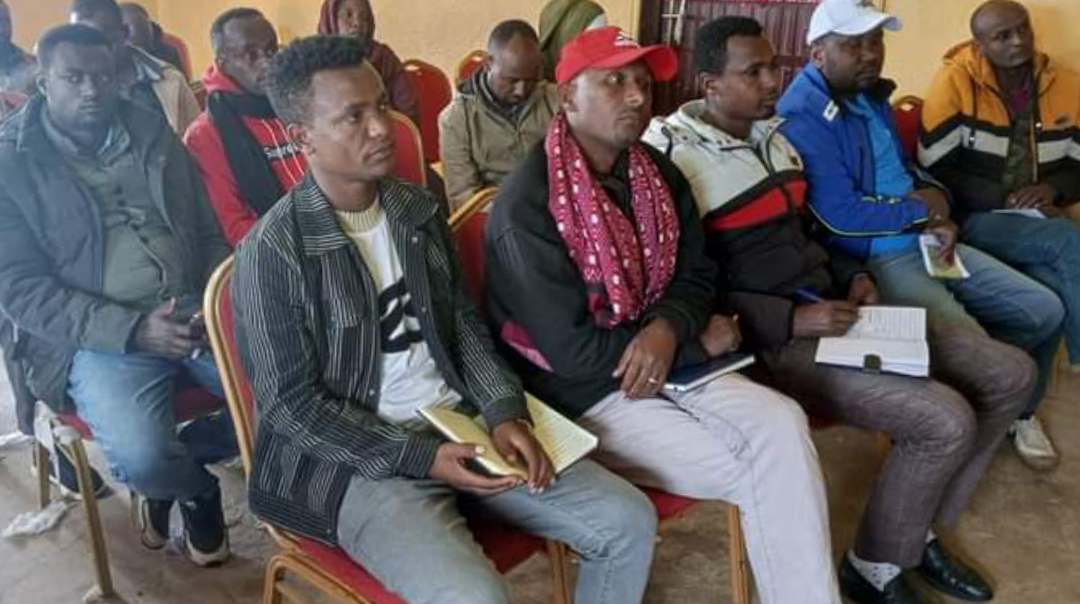
Kokkossa Woreda Cabinet Approves Rs 337,720,142 Million Budget for 2016: A Boost for Community Projects and Animal Health

Kokkossa Woreda Cabinet Approves Budget for 2016

The Kokkossa Woreda Cabinet has recently given the green light to the 2016 budget, allocating a staggering Rs 337,720,142 million towards various community projects and animal health initiatives. This significant investment showcases the government's commitment to fostering sustainable development and improving the lives of its citizens. Let's delve deeper into the exciting details of this budget and the positive impact it will have on the community.
   The 2016 budget was announced by the Head of the Finance Office of Kokkossa District, Mr. Dhanqo Gobana.

Community Projects

  The announced budget is divided into Community Benefit Projects Animal Health Clinics in Jiidha and Duulaa villages, Damma-Gaaxaa and Elaa-Heebanoo road repairs, 2nd generation health clinic, purchase of chairs and complete equipment for Buildings and Halls, Worm Compost Project Repair Schemes and Biogas Purchase of chairs banks of community pharmacies under construction in the towns of the district.

The approved budget places a strong emphasis on community projects, aiming to uplift the living standards of the residents in Kokkossa Woreda. From infrastructure development to education and healthcare initiatives, this allocation will pave the way for improved facilities and services. The funds will be utilized to construct schools, hospitals, roads, and water supply systems, ensuring that the basic needs of the community are met.

Animal Health

   Also, Salaries, purchase of medicines stations, interest on death payments of past medical professionals and various compensations, Disease Prevention Fund Repair and Fuel and Vehicle Insurance, Social Health Insurance for Poor Families, Gonofa Contribution Fund, 2016 Executive and miscellaneous items including.

Recognizing the importance of livestock in the local economy, the budget also prioritizes animal health. By allocating funds towards veterinary services, disease prevention, and vaccination campaigns, the government aims to safeguard the well-being of livestock, which is crucial for the livelihoods of many residents. This investment will not only protect the community's valuable animal resources but also enhance the overall agricultural productivity of the region.

Boosting Economic Growth

  The leaders of the district sector offices demanded that budget transparency and service delivery should be improved among some employees of the Finance Office and the procurement of public office equipment and its quality should be given attention.

The approved budget plays a pivotal role in driving economic growth within Kokkossa Woreda. By investing in community projects and animal health, the government is creating employment opportunities, stimulating local businesses, and fostering a conducive environment for entrepreneurship. This financial injection will not only improve the living conditions of the community but also contribute to the overall economic prosperity of the region.

Ensuring Financial Transparency


  He added that any government budget or any subsidy should be used only for the allocated purpose when allocated and the sectors must follow their allocated budget and use it following the financial laws.
The Kokkossa Woreda Cabinet's approval of the 2016 budget also reflects the government's commitment to financial transparency and accountability. The funds will be allocated following the finance law, ensuring that every penny is spent wisely and efficiently. Regular audits and reporting mechanisms will be implemented to guarantee that the budget is utilized for its intended purposes, benefitting the community as a whole.

Involving the Community

The success of the budget lies in the active involvement of the community. The government encourages citizens to actively participate in decision-making processes, suggesting projects that address their specific needs and concerns. By engaging the community, the budget aims to create a sense of ownership and responsibility, fostering a collaborative environment for sustainable development.

Monitoring and Evaluation

 Deputy Governor of Kokkossa District Administration, Mr. Daalee Hedatoo, said the office should provide working equipment and stressed that budget transparency and service delivery of the Finance Office should be improved.

To ensure the effective implementation of the budget, a robust system for monitoring and evaluation will be put in place. Regular assessments and feedback mechanisms will enable the government to identify any shortcomings, rectify them promptly, and make necessary adjustments to optimize the impact of the allocated funds. This commitment to continuous improvement reflects the government's dedication to achieving tangible results.

Future Implications

Finally, after giving comments and explanations on the questions and budget presented, the Governor of Kokkossa District Administration, Mr. Bilal Silanchoo, said that it is very encouraging that many of the large(-ve) debts of the district in previous years have been paid he said it is crucial to work determinedly to ensure the benefits of the community. The proposed budget will be presented to the District Council and announced.

The approval of this substantial budget for 2016 sets a promising precedent for future development plans in Kokkossa Woreda. By prioritizing community projects and animal health, the government is laying the foundation for sustainable growth and prosperity. This budget serves as a stepping stone toward a brighter future, where the residents of Kokkossa Woreda can thrive and flourish.
  After responding to comments and questions raised on the 2016 budget, the Head of the Finance Office, Mr. Dhanqoo Goobanaa, said that the sectors will be able to repair electronic equipment and motors used for work.
In addition, the problems of procurement of goods and service delivery of some employees will be corrected, he said.

To conclude: the Kokkossa Woreda Cabinet's approval of the 2016 budget, amounting to Rs 337,720,142 million, marks a significant milestone in the region's development journey. With a focus on community projects and animal health, this budget promises to uplift the lives of the residents, boost economic growth, and ensure financial transparency. As the government takes strides toward a prosperous future, the community eagerly awaits the positive impact that this budget will bring.

The Kokkossa Woreda Cabinet has approved a staggering Rs 337,720,142 million budget for 2016, prioritizing community projects and animal health. Discover how this investment will drive sustainable development, boost economic growth, and ensure financial transparency in Kokkossa Woreda.